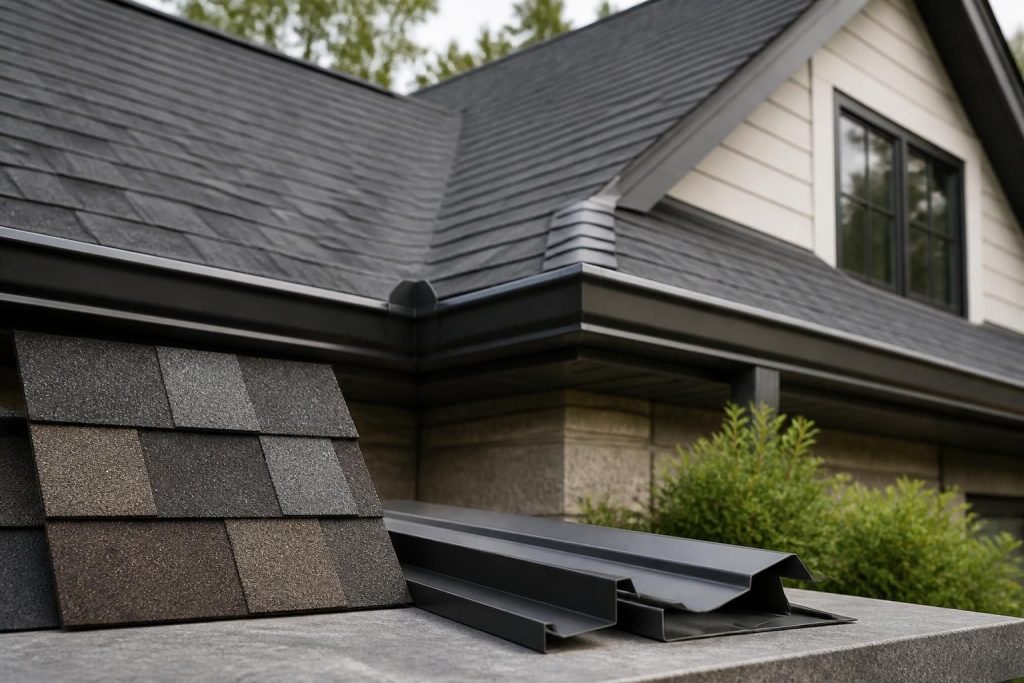
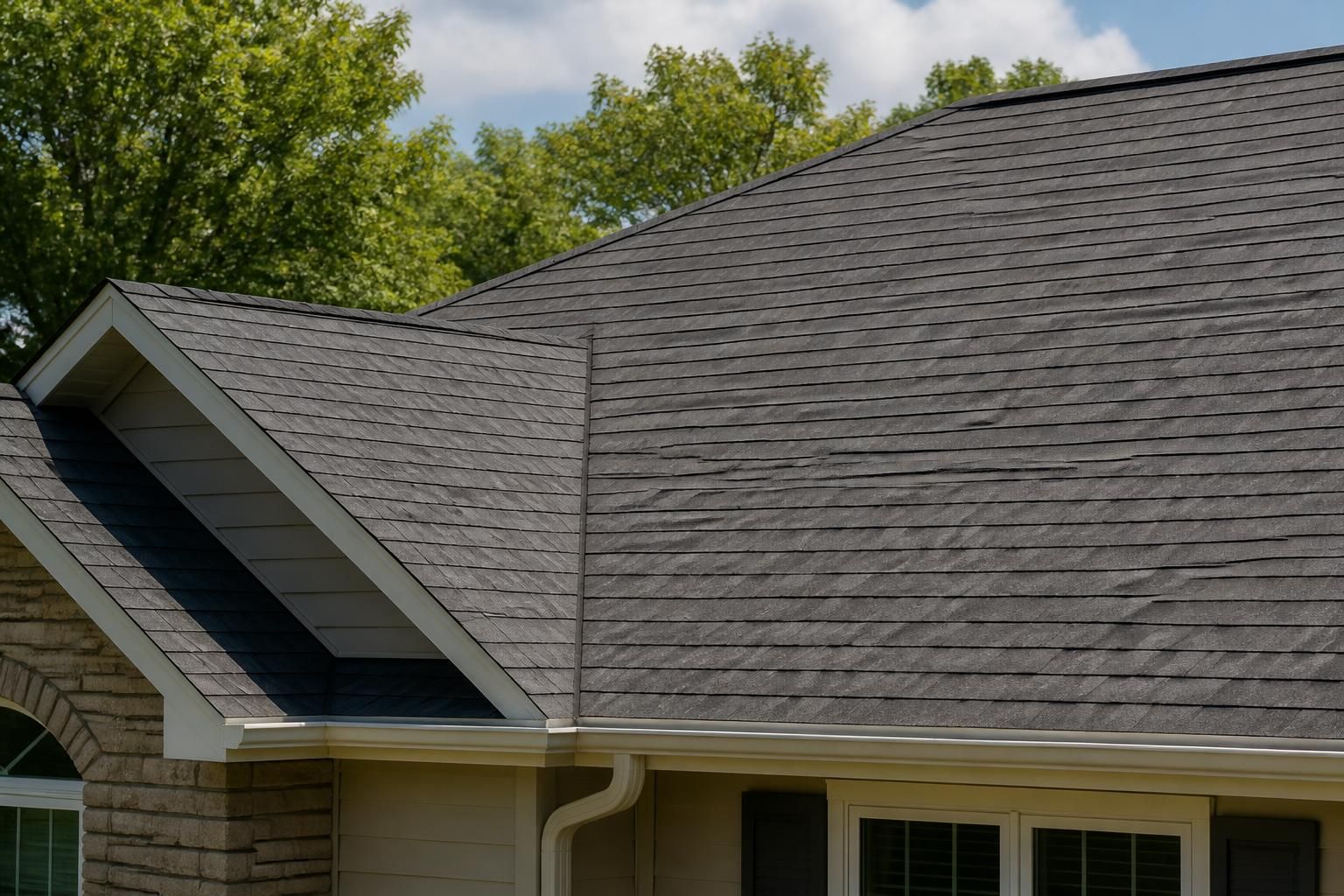
A storm can leave your roof looking fine from the street while hidden damage starts to spread. Missing shingles, lifted edges, dents, leaks, and loose flashing often show up after wind or hail has already done its work.
If you notice stains on ceilings, debris on the roof, or shingles scattered around the yard, Dakota Roofing can inspect the damage and explain what needs attention. We handle storm damage repair for homeowners across Denver, CO with clear written quotes and a clean job site from start to finish.
Storm damage signs
Not every roof problem appears right away. Some damage is easy to miss until the next rain, while other signs can be seen from the ground if you know what to look for.
- Missing shingles after strong wind or visible bare patches on the roof surface.
- Lifted edges that may let water get under the roofing layers.
- Dented metal parts on vents, flashing, gutters, or other exposed surfaces.
- Dark ceiling spots or damp attic areas that suggest water has found a path inside.
- Granules in gutters or around downspouts after a storm passes.
- Debris on the roof such as branches, shingle pieces, or loosened trim.
Some signs are subtle. A roof can still shed water for a while even after it has been damaged, which is why a careful inspection matters after a storm.
Our repair process
Storm damage repair works best when the cause is traced before the patching starts. We look at the roof surface, edges, flashing, gutters, skylights, and other exposed parts to understand what the storm affected.
- Inspection
We examine the visible damage and check for clues that point to hidden trouble.
- Damage review
We explain what we found, what can be repaired, and what may need replacement.
- Written quote
You receive clear next steps in writing, so you know what work is being recommended.
- Repair work
We complete the needed roof repair with attention to sealing, fastening, and matching the surrounding area as closely as possible.
- Final cleanup
We leave the site neat and remove job debris so your property is not left with another mess to handle.
That process helps keep the repair focused on the actual damage, not just the most obvious symptom.
What storms affect
Storms do not all damage a roof the same way. Wind, hail, and falling debris each leave different clues, and the repair plan should match the type of impact.
Wind damage
Wind can loosen shingles, bend flashing, and create openings at the edges of the roof. Even when shingles are still attached, they may no longer sit flat enough to protect the roof beneath them.
Hail damage
Hail often leaves dents, bruises, or worn spots that shorten the life of the roofing surface. It can also affect gutters and other exposed parts of the home exterior.
Debris impact
Branches and windblown debris can crack roofing materials or tear away small sections. Impact damage may be visible from the ground, but the full effect is often clearer after a detailed look.
Roof areas we inspect
Storm damage is not limited to one section of a roof. A careful inspection looks at the places where water and wind are most likely to get through.
- Shingles for tears, lifting, missing pieces, or worn impact marks.
- Flashing around joints, walls, valleys, and roof openings.
- Valleys where runoff concentrates and small gaps can turn into leaks.
- Gutters for dents, loosening, or storm debris that may affect drainage.
- Skylights for cracked seals, lifted trim, or water entry points.
- Roof edges where wind often catches and pulls material loose first.
When those areas are checked together, it becomes easier to see whether the roof needs a targeted repair or a broader fix.
Repair or replace
Not every storm-damaged roof needs the same solution. Some sections can be repaired without disturbing the rest of the roof, while other damage spreads far enough that replacement becomes the smarter path.
- Is the damage isolated?
A small area with limited damage may be repaired without major work.
- Are multiple areas affected?
When several sections show wear, leaks, or loosening, the repair plan may need to be broader.
- Has water entered the home?
Signs inside the attic or on ceilings mean the damage should be addressed quickly and carefully.
- How much of the roof is still sound?
If the surrounding materials are still holding up well, a focused repair may make sense.
Dakota Roofing will walk you through what we see so you can make a practical decision based on the roof’s condition, not guesswork.
After-storm checklist
Before you call for service, there are a few simple things a homeowner can note safely from the ground. This can help speed up the inspection and make the problem easier to describe.
- Look for shingles in the yard or around downspouts.
- Check ceilings and upper walls for new stains or damp spots.
- Notice any water marks near skylights, vents, or roofline edges.
- Watch for loose debris resting on the roof after the storm passes.
- Write down when the storm happened and what you noticed afterward.
If the damage is visible from the ground, avoid climbing up to inspect it yourself. A roof can be slippery or unstable after wind and hail.
Local help
Homeowners across Denver, CO turn to Dakota Roofing when a storm leaves them unsure about the next step. We also serve nearby communities including Aurora, Lakewood, Littleton, Arvada, and Englewood.
Because storm damage is not always obvious, a prompt inspection can help you understand what changed and what should be fixed before the next round of weather puts more stress on the roof. We keep the conversation direct, the quote clear, and the repair plan tied to the damage we actually find.
If you are dealing with missing shingles, dents, or a leak after a storm, our crew is ready to take a look and explain the options for your roof.
Common questions
What should I do after a storm?
Start by checking for visible signs from the ground, then note any leaks, missing shingles, or debris. Once you have that information, schedule an inspection so the damage can be reviewed before it spreads.
Can roof damage be hidden?
Yes. A roof may look mostly normal at first while damage underneath the surface is still present. That is why a closer inspection matters after hail or strong wind.
Do gutters get damaged too?
They can. Storms often dent, loosen, or clog gutters with debris, which can affect how water leaves the roof.
Why inspect skylights after a storm?
Skylights have edges and seals that can be stressed by wind, debris, or shifting materials. Even small gaps around them can lead to leaks later.
How do I know if the roof needs repair or replacement?
That depends on how much damage was found, where it is located, and how well the surrounding materials are holding up. A detailed inspection gives the clearest answer.
Will the repair match the rest of the roof?
We work to blend the repair with the surrounding roof area as closely as possible while focusing first on restoring a sound barrier against weather.
Start here
If your roof took a hit from wind, hail, or falling debris, Dakota Roofing can help you understand the damage and move forward with a clear plan. Call +13035550118 or email hello@dakotaroofing.example to schedule storm damage repair for your home in Denver, CO.